
Moving Out Cleaning Checklist: What to Clean Before You Return the Keys
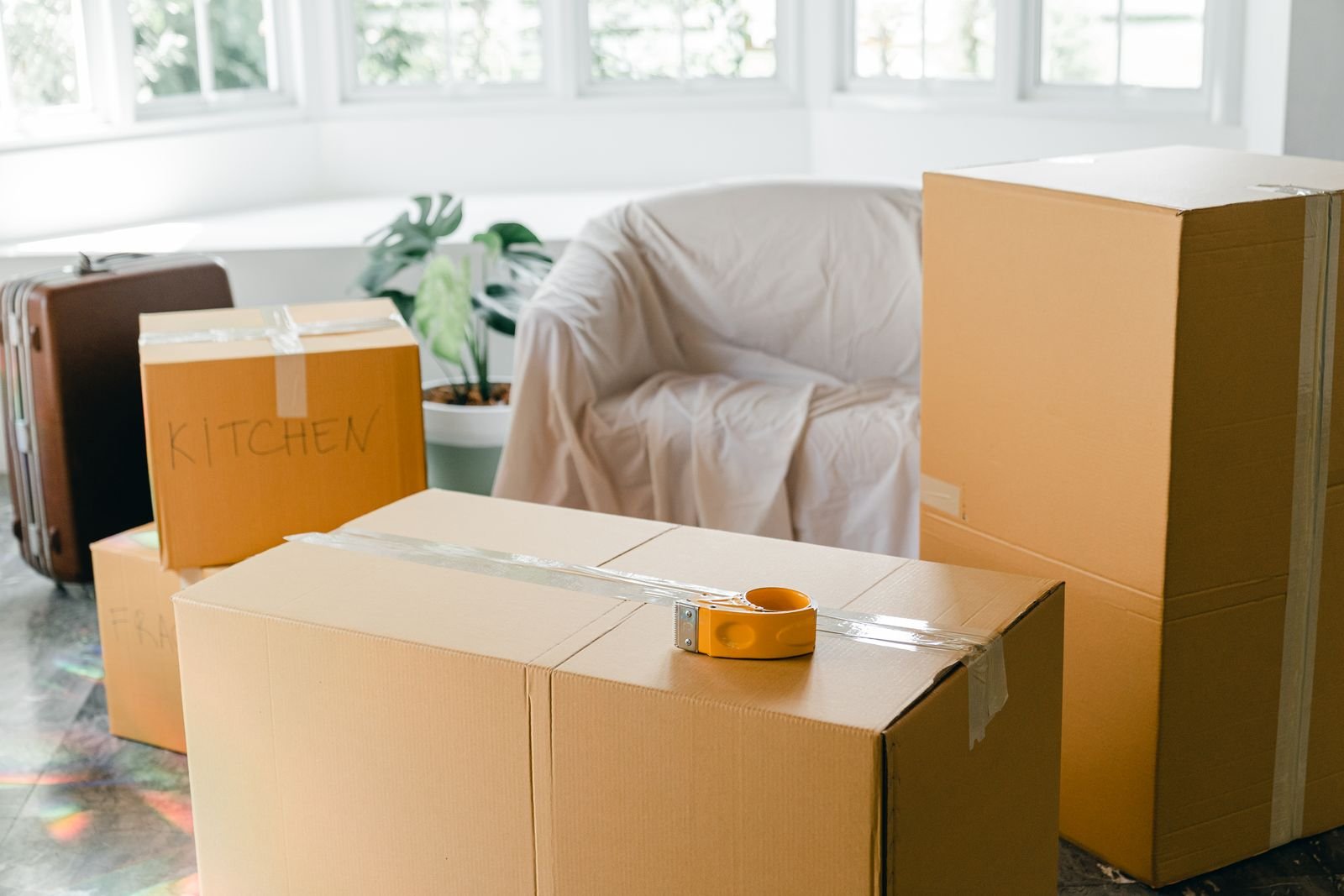
Moving out cleaning is the final reset you do after most of your stuff is gone. The goal is not to make the place look brand new.
It is to leave it clean, empty, and consistent with your lease so you can hand over the keys without a last-minute panic.
Use this moving-out cleaning checklist room by room. If you’re renting an apartment, treat it as your apartment move-out cleaning checklist: start with the high-effort areas, save floors for last, and document the condition before you leave.
TL;DR
If you are short on time, focus on the things landlords and property managers are most likely to notice: an empty fridge, a clean oven and stovetop, a scrubbed bathroom, wiped cabinets, clean floors, no trash, no obvious scuffs, and no forgotten belongings. Check your lease before patching holes, painting, or paying for professional cleaning because requirements vary.
Free Life Admin Cheat Sheet: 50 Things to Remember (and When to Deal With Them)
Weekly. Monthly. Every 3–6 months. Yearly. Set it up once. The boring-but-important stuff is already organized for you. Includes a printable PDF + ready-to-use Notion checklist.
Take dated photos or a video after the apartment is empty and clean. Keep proof of key return, too.
In summary, leave the rental empty, clean, documented, and aligned with your lease.
Before you start cleaning
A little setup saves a lot of rage-cleaning at 10 p.m.
- Read your lease and move-out instructions. Look for cleaning requirements, carpet rules, nail-hole instructions, key return details, and final inspection procedures. If something is unclear, ask the property manager in writing rather than guessing.
- Move most furniture and boxes out first. It is much easier to clean baseboards, corners, floors, and appliances when the place is mostly empty.
- Take photos before. Photograph any existing wear or damage before cleaning or repairs. Do another full set after cleaning.
- Gather supplies in one place. Keep one box or caddy with cleaner, cloths, sponges, gloves, trash bags, a vacuum, mop, and anything else you actually need.
- Work top to bottom. Dust first, wipe surfaces second, vacuum and mop last.
If you are also juggling address changes, bills, paperwork, and twenty other tiny moving tasks, the No Stress Adulting Life Admin section has more practical systems for keeping the admin side under control.
Master move-out cleaning list
Before you get lost in the room-by-room details, use this as your master pass:
- Remove all personal belongings, trash, and donations
- Dust ceiling corners, vents, light fixtures, and fans
- Wipe switches, outlet covers, doors, handles, and frames
- Clean windowsills, tracks, blinds, mirrors, and glass
- Wipe baseboards and trim
- Spot-clean walls carefully
- Empty and wipe cabinets, drawers, closets, and shelves
- Clean appliances inside and out
- Scrub sinks, faucets, tubs, showers, and toilets
- Vacuum edges, corners, and closets
- Mop hard floors
- Remove obvious odors at the source rather than covering them with fragrance
- Check that nothing is left behind
- Take final photos and video
For a wider “what else am I forgetting?” reset, the 30-day Adulting 101 starter plan covers home tasks, paperwork, money, and other grown-up basics.
Kitchen move-out cleaning checklist
The kitchen usually takes the longest, so do not save it for the final hour.

Fridge, freezer, oven, and stovetop
Empty the fridge and freezer completely. Remove shelves and bins if they are designed to come out, wash them, dry them, and wipe the interior walls and door seals.
Check the top, sides, and floor underneath if you can safely access them.
For the oven and stovetop, remove loose crumbs and debris first, then clean racks, burners, grates, the oven door, knobs, and the drawer underneath if there is one. Follow the appliance manufacturer’s instructions when using oven cleaner. Whirlpool’s oven-cleaning guidance is a useful example of why surfaces and cleaning methods matter.
Wipe the range hood and clean the removable filter if the manufacturer allows it.
Cabinets, dishwasher, sink, and counters
Empty every cabinet and drawer, including the annoying corner ones. Wipe shelves, handles, and drawer edges.
Crumbs hiding in a cutlery drawer are tiny, but they have strong “you forgot this” energy.
Check the dishwasher filter and wipe the door edges and seal. Clean the sink, faucet, drain area, backsplash, and countertops.
If you have a garbage disposal, clean the visible splash guard without putting your hand into the disposal.
Finish by wiping the floor around the trash area and under movable items.
Bathroom move-out cleaning checklist
Bathrooms are small but weirdly time-consuming. Give yourself more time than you think.
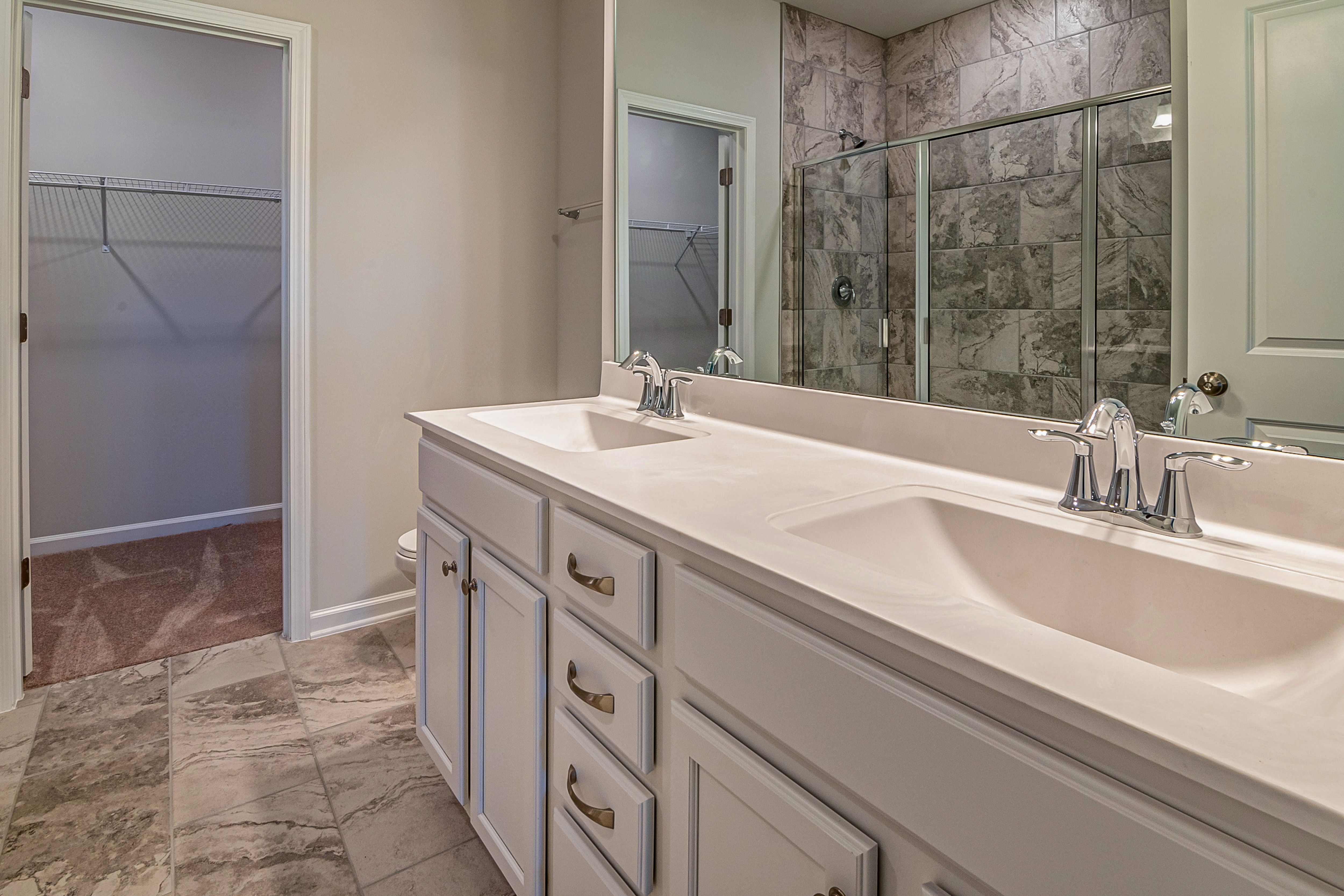
Clean the toilet bowl, seat, hinges, tank, base, and the floor behind it. Scrub the shower or tub, including corners, grout, doors, tracks, fixtures, and visible soap scum.
Remove hair from the drain area.
Clean the sink, faucet, vanity, mirror, drawers, and cabinet shelves. Dust the exhaust fan cover rather than pushing dust deeper into the vent.
For hard-water buildup, use a product that is safe for the surface. Vinegar can damage some natural stone and finishes, so “I saw it on TikTok” is not a surface-care strategy.
Mop last, then leave the room alone so you do not immediately walk footprints across your work.
Bedrooms, closets, and living areas
These rooms are usually faster once the furniture is out.
Dust ceiling fans and light fixtures. Wipe doors, frames, switches, windowsills, and baseboards. Empty closets completely and wipe shelves and rods.
For walls, focus on visible scuffs around doors, switches, furniture lines, and corners. Use a gentle cleaner first.
Test melamine sponges or stronger products in a hidden area because they can change paint sheen.
If your lease requires nail holes to be patched, follow those instructions. Do not guess at paint touch-ups if you do not know the exact paint color and finish. A bad patch can look more obvious than the tiny hole you were trying to fix.
Vacuum carpet slowly, including edges and closets. Mop hard floors only after every other dusty task is done.
If life admin tends to disappear the second a move gets chaotic, these life admin apps for bills, tasks, and paperwork can help you keep deadlines and follow-ups in one place.
Laundry area, entryway, and overlooked spaces
Wipe the washer drum, gasket, detergent tray, top, and sides. Clean the dryer lint filter and vacuum accessible lint around the machine.
The U.S. Fire Administration reports that failure to clean was the leading factor in 31% of home clothes-dryer fires from 2018 to 2020. It recommends cleaning the lint filter every time you use the dryer. See its appliance and electrical fire safety guidance.
In the entryway, wipe the front door, locks, handles, baseboards, light fixtures, and thermostat face. Vacuum or mop the floor.
Do not forget balconies, patios, garages, and storage spaces that are part of the rental. Remove your belongings, sweep floors, clear cobwebs, and wipe accessible rails or surfaces.
The spots people forget
Do one slow “annoying details” lap before you call it done:
- Top of the fridge and upper cabinets
- Inside drawers
- Dishwasher filter and door edges
- Range hood and filter
- Behind the toilet
- Window tracks
- Closet top shelves
- Door frames and handles
- Baseboard corners
- Under-sink cabinets
- Light fixtures and fan blades
- Vents and return covers
- Sliding-door tracks
- Trash-can area
- Storage closets
- Forgotten hooks, nails, or removable adhesive, if your lease requires removal
A phone flashlight is brutally effective here. It is also a little rude, but useful.
A realistic move-out cleaning timeline
Trying to deep-clean an entire apartment after the moving truck leaves is technically possible. It is also how people end up rage-texting their mop.
One to two weeks before moving: declutter, remove trash, check your lease, schedule any required professional service, and clean low-use areas such as closets or pantry shelves.
Two to three days before: deep-clean the fridge, oven, bathroom, blinds, windowsills, and other time-heavy areas. Pack your cleaning supplies last.
Moving day: once the furniture is out, do the final dusting, vacuuming, mopping, cabinet check, appliance check, and photo documentation.
If moving costs are putting pressure on your budget too, this shame-free guide to saving money fast on a low income may help you find a few realistic places to cut costs without pretending you can budget your way out of every expense.
What a clean-enough move-out looks like
There is no single nationwide “move-out clean” standard for every rental. Your lease, property rules, and state or local law matter.
As a practical standard, aim for an empty place, free of trash, reasonably clean, and without obvious grime or avoidable residue. Then compare your work against the written move-out instructions.
USAGov’s tenant rights guidance, updated April 15, 2026, directs renters to state agencies and legal-aid resources when they need help with landlord disputes. Security-deposit rules still vary by state.
Cleaning well can reduce avoidable cleaning deductions, but it cannot guarantee that a landlord will return your full deposit.
DIY vs. hiring a move-out cleaner
DIY usually makes sense when the rental is small, you have enough time, and the place has been reasonably maintained.
Hiring help can be worth it when you are moving long distance, your schedule is packed, the kitchen or bathroom needs serious work, or you are simply out of energy. That last one counts. Moving is a lot.
Before booking anyone, check whether your lease actually requires professional cleaning. If it does not, compare the cost of help with the amount of time and stress it saves you.
If you hire a cleaner, ask exactly what is included. Inside ovens, fridges, cabinets, window tracks, and walls are not always part of a standard package.
Final walkthrough before you return the keys
Do this when the rental is empty, the floors are dry, and the lights are on.
- Open every cabinet, drawer, closet, and storage area
- Check that the fridge and freezer are empty and clean
- Check the oven, stovetop, microwave, and dishwasher
- Look behind the toilet and around the shower or tub
- Check mirrors and glass for streaks
- Check walls for obvious scuffs
- Check baseboards, corners, and window tracks
- Vacuum or sweep every room
- Make sure hard floors are dry and footprint-free
- Remove every trash bag and cleaning product
- Photograph each room, appliance, and problem area
- Record a final video walkthrough
- Return keys exactly as instructed
- Keep proof of key return and any move-out paperwork
If your brain is already full, browse the No Stress Adulting blog for practical checklists and systems that make the next part of the move less chaotic.
The bottom line
A good moving-out cleaning checklist should do two things: tell you what to clean and stop you from having to remember all of it yourself.
Start with the lease, clean once the place is mostly empty, tackle the kitchen and bathroom early, save floors for last, document the final condition, and keep proof that you returned the keys.
You do not need a magazine-ready apartment. You need a clear, thorough handoff with fewer loose ends.
FAQ
What should I clean when moving out of an apartment?
Clean every room, with extra attention to appliances, bathrooms, cabinets, drawers, floors, baseboards, windowsills, closets, and overlooked areas such as window tracks and behind the toilet. Remove all belongings and trash before the final walkthrough.
How long does a move-out cleaning take?
It depends on the size and condition of the rental, how much furniture is still inside, and whether you are cleaning appliances, windows, and carpets. The easiest approach is to spread the work across several days instead of trying to do everything after the move.
Should I hire a professional move-out cleaning service?
Hire help when your lease requires professional cleaning, your deadline is tight, or the rental needs more work than you can realistically finish. Otherwise, DIY can be perfectly reasonable if you have the time and energy.
How do I get my full security deposit back after moving out?
You cannot guarantee a full refund through cleaning alone. Follow the lease, clean thoroughly, document the final condition, return keys as instructed, and keep your paperwork. Deposit rules and allowable deductions vary by state and lease.
What is the difference between a standard clean and a move-out clean?
A standard clean focuses on routine visible surfaces. A move-out clean goes further because the space is mostly empty, so you can reach appliance interiors, cabinet shelves, closets, baseboards, window tracks, corners, and other areas that are easy to miss during normal cleaning.
Sources
- USAGov: Tenant rights and landlord disputes
- U.S. Fire Administration: Appliance and electrical fire safety
- Whirlpool: How to clean an oven
This article is general educational information, not legal advice. Rental requirements and security-deposit rules vary by lease, state, and locality.
Free Life Admin Cheat Sheet: 50 Things to Remember (and When to Deal With Them)
Weekly. Monthly. Every 3–6 months. Yearly. Set it up once. The boring-but-important stuff is already organized for you. Includes a printable PDF + ready-to-use Notion checklist.