
Moving Out Checklist 2026: Don’t Forget These Essentials
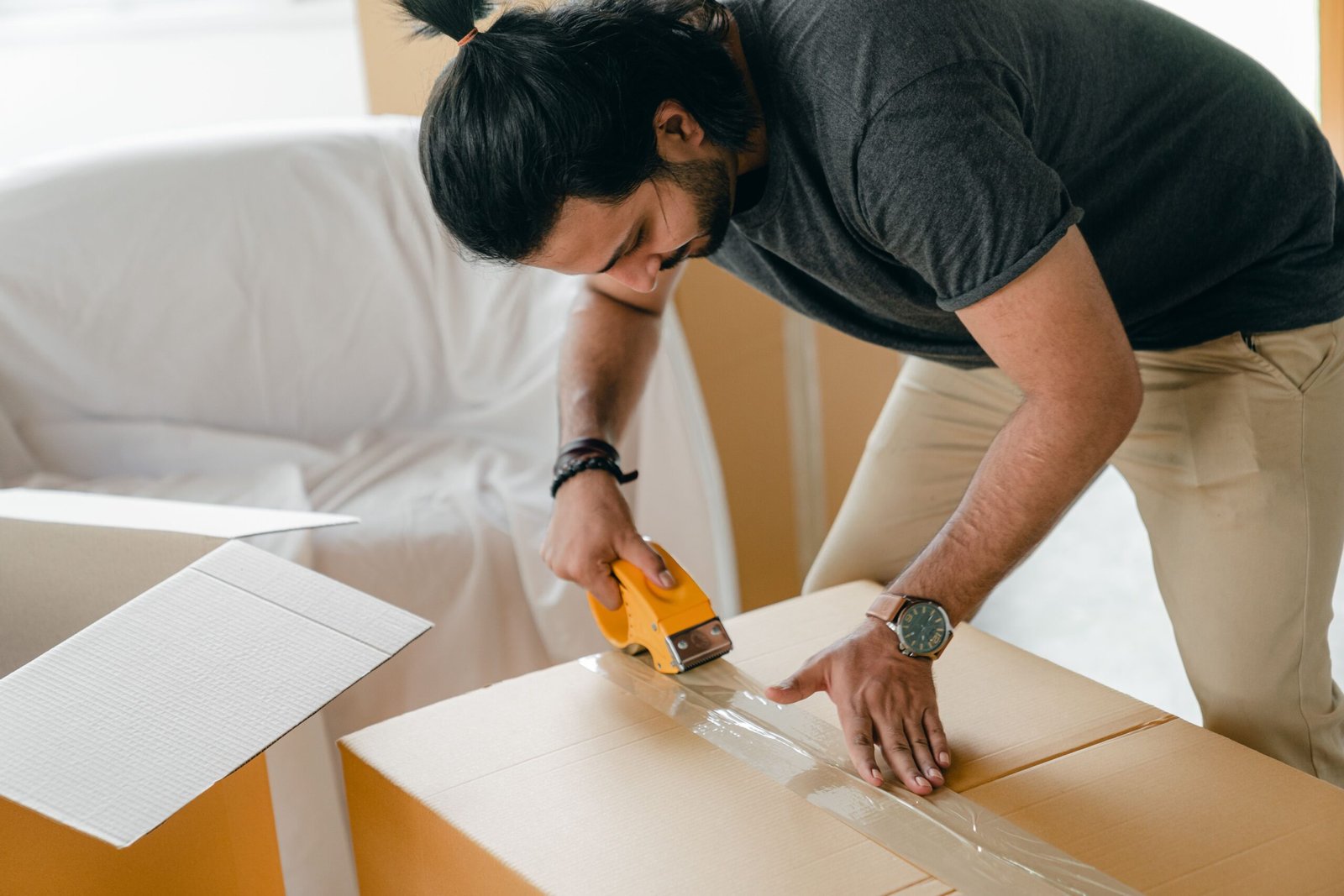
Moving is a magical experience where time stops, your back starts filing formal complaints, and every single object you own reveals its true form: a tangled cable with feelings.
If you’re here for a copy/paste-friendly moving out checklist that prevents last-minute costs, missed paperwork, and those “why do I own eight spatulas but zero phone chargers?” moments, you’re in the right place.
Why you need a 2026 moving out checklist (even if you’ve moved before)
Yes, even if you’ve moved five times. Even if you can tape a box with one hand while texting your landlord with the other. Even if you think you’re “chill.”
Here’s what’s different in 2026:
Free Life Admin Cheat Sheet: 50 Things to Remember (and When to Deal With Them)
Weekly. Monthly. Every 3–6 months. Yearly. Set it up once. The boring-but-important stuff is already organized for you. Includes a printable PDF + ready-to-use Notion checklist.
- More account transfers live online (utilities, internet, renters insurance, address changes), and they often require logins, verification codes, and your patience. So… we need a plan. For instance, when starting or stopping utility services, it’s essential to have all the necessary information ready.
- Life is delivery-heavy now, which means your address is saved in 14 apps and at least two of them still think you live in your 2021 “short-term sublet era.”
- Smart-home devices are everywhere. If you have any smart TVs, Thermostats, doorbells, speakers, or light bulbs in your old place, dedicate some time to log out and factory reset them.
- Subscription billing is relentless. You can physically move out and still pay for a gym you haven’t seen since the “new year, new me” incident.
This checklist is built to lower stress by combining:
- A timeline (what to do and when)
- Room-based essentials (what you actually need the first night)
- Admin tasks (where money quietly leaks out of your life)
How to use this checklist
- Copy/paste it into Notes, Google Docs, Notion, or a carrier pigeon.
- Print it if you’re a “paper makes it real” person.
- Check items off as you go.
- If you’re moving with roommates, make it a shared doc so nobody “forgets” to cancel the internet.
Before you start: pick your move type, budget, and non-negotiables
Before you start hoarding boxes like a raccoon with a mission, get three things straight.
1) Pick your move type
Your checklist changes depending on how you’re moving:
- DIY (friend-powered): You’ll need supplies, a vehicle plan, and a good apology speech for your friends.
- Rental truck: Add pickup/drop-off times, mileage rules, and “who’s brave enough to drive this thing.”
- Portable container (pod-style): Add delivery windows, parking permits, and weather backup plans.
- Full-service movers: Add valuation/insurance details, building requirements, and a clear “what’s not going” list.
2) Make a simple moving budget
Moving costs tend to show up like surprise guests. Budget for:
- Rent/deposit + first month
- Utility setup fees or deposits
- Moving supplies (boxes, tape, labels)
- Truck or movers
- Cleaning (supplies or a cleaner)
- Small repairs (patch paint, light bulbs, etc.)
- Overlap days (paying two places at once)
- Tips (if using movers)
3) Define your non-negotiables
Write these down now so you’re not negotiating with yourself at midnight later:
- Move date and time window
- Help needed (and who’s actually reliable)
- Elevator reservation and loading dock rules
- Parking permits
- Pet/kid plan
- Work schedule and time off
4) Create a “moving binder” (digital folder)
Make one folder called MOVE 2026 and drop in:
- Lease (old + new)
- Mover contract and quote
- Receipts (cleaning, repairs, supplies)
- Building rules and move-in/move-out instructions
- Photos/videos (condition proof)
- Inventory list (even a simple one)
Future you will cry grateful tears.
Moving out timeline checklist (what to do and when)
This timeline is designed so you can skim it and still execute. The secret weapon is boring but powerful: document everything. Photos, emails, receipts, confirmations. Deposits are basically a scavenger hunt unless you have proof.
30–60 days out: lock in housing + start the paper trail
Confirm your new place
- Verify your lease start date and move-in time
- Confirm total move-in costs: deposit, fees, and first month’s rent
- Review policies on pets, parking, deliveries, noise, and smoking
If renting: give notice per your lease
- Send your landlord a written move-out notice that matches your required notice period
- Ask for required move-out steps in writing
- Confirm key return process, cleaning standards, and walkthrough options
Logistics and scheduling
- Request time off work and coordinate help from friends or family
Start decluttering (seriously, start now)
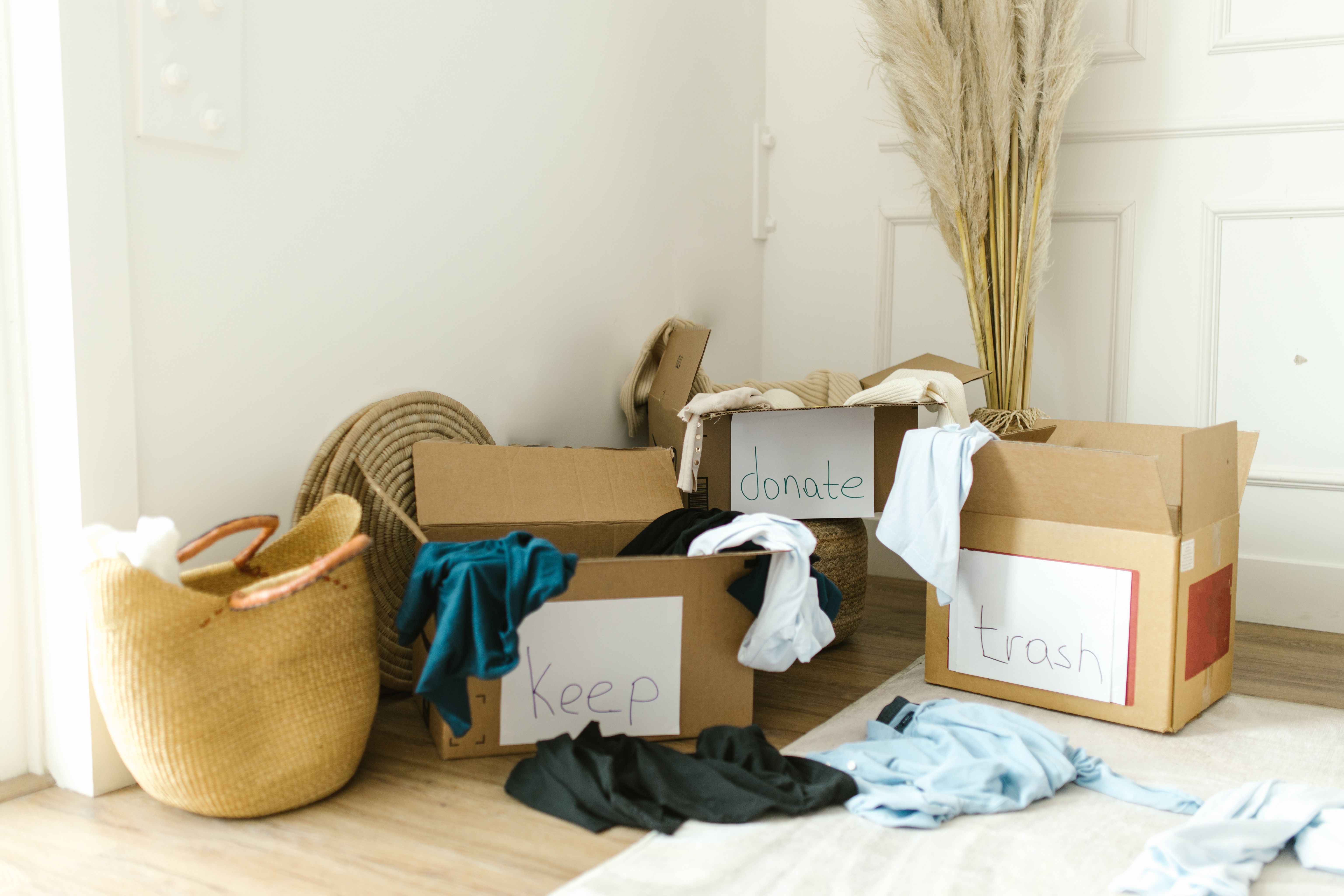
You don’t want to take everything you own with you. Boxes of books add up, and if you’re using movers, the more you have, the more you have to pay. Here are some essential decluttering tips:
- Sort your stuff into Keep, Donate, Sell, and Trash piles.
- Create a”do not move” box for broken items, expired liquids, and mystery cords.
If hiring movers
- Get 2–3 quotes before committing
- Confirm what’s included: stairs, long carry fees, and packing help
- Ask about valuation coverage and insurance
- Reserve your moving date
14–21 days out: utilities, address changes, and supplies
- Schedule utilities start/stop — electric, gas, water, trash, and internet (book the install window early, lead times are real)
- Submit a USPS change of address, then update your must-notify list: bank, employer, insurance, subscriptions, and delivery apps. You should also update your address with the IRS, voter registration, the DMV, Social Security, and any immigration services you use. USPS can forward your mail for up to one year, but you should still update each account directly. Check your state’s DMV deadline too, as some states require you to report your move quickly.
- Start packing non-essentials by room — label every box with ROOM + CONTENTS + PRIORITY (OPEN FIRST / LATER), for example: “Kitchen | mugs + blender | OPEN FIRST”
Supplies to buy or collect
- Boxes in small, medium, and large sizes
- Packing tape, labels, and markers
- Mattress bag
- Bubble wrap or packing paper
- Stretch wrap (great for dresser drawers and cords)
7 days out: pack smart and prevent move-day chaos
- Confirm movers’ arrival window or truck pickup time
- Check parking permits, loading zone rules, and elevator reservation at both locations
- Confirm your key pickup plan for the new place
- Pack one “open first” box per room as your survival kit
- Back up important files (yes, really)
- Gather valuables (IDs, passports, titles, jewelry, and medications) into one secure bag you keep with you
- Meal plan to clear the pantry and fridge; stop grocery shopping except for basics and treat it as a fun “weird pantry meal week”
If you’re leaving roommates
- Settle all shared bills before you go
- Put deposit split expectations in writing
- Confirm who cancels which services – internet is the classic source of betrayal
24–48 hours out: final checks, cleaning, and documentation
- Do a walkthrough with your checklist, covering every room, closet, cabinet, balcony, storage unit, and any other spaces in the unit.
- Take timestamped photos and video of the empty unit, making sure to include any damage you previously reported.
- Finish cleaning or confirm your cleaner appointment, and keep all receipts.
- Pack a personal “do not load” bag containing documents, medications, jewelry, your laptop, and chargers – keep this with you, not on the truck.
- Confirm payment methods and tips for movers.
- Verify building rules for move-out day, including trash disposal, elevator padding requirements, and permitted hours.
Move day + first night: minimum viable setup
Loading and unloading
- Direct boxes into their correct rooms as they are unloaded.
- Set aside your essentials box or boxes so they stay accessible.
- Do a quick inventory check for high-value items before movers leave.
Quick safety check at the new place
- Test smoke and CO detectors.
- Confirm all locks work.
- Locate the water shutoff valve and breaker panel.
First-night priorities
- Set up your bed.
- Set up the shower.
- Get lights working.
- Charge your phone.
- Sort out basic food.
- Put a trash bag in a trash can – instant quality of life upgrade.
The core moving out essentials checklist

This is the “moving out essentials” section you came for. Save it, steal it, tattoo it on your moving box if you must.
Essentials you keep with you (not in the moving truck)
- IDs (driver’s license/state ID)
- Passport
- Birth certificate
- Social security card (or local equivalent)
- Lease paperwork (old + new)
- Wallet + cards
- Old keys + new keys + mailbox key + spare set
- Phone + chargers
- Laptop/tablet + chargers
- Power bank
- Earbuds/headphones
- Medications
- Glasses/contacts + solution
- Basic first aid
- Insurance cards
- Moving receipts folder (digital or paper)
- Pen
- Small cash (tips, parking, emergency snack bribes)
Bedroom essentials
- Mattress + bed frame
- Hardware bag labeled (tape it to the frame)
- Sheets
- Pillows
- Blanket/comforter
- Laundry hamper/bag
- Hangers
- Nightstand lamp (or any lamp; you’re not picky on night one)
- Curtains/blinds solution (temporary is fine)
- White noise machine (optional but life-saving)
- Extension cord (optional but life-saving)
- Clothes steamer or iron (optional but life-saving)
Bathroom essentials
- Shower curtain + rings (the most forgotten “why am I like this” item)
- Bath mat
- Towels
- Toilet paper (day one, please, I’m begging)
- Hand soap
- Cleaning wipes
- Toothbrush and toothpaste
- Deodorant
- Skincare basics
- Hairbrush/comb
- Plunger
- Small trash can + liners
- Adjustable wrench (showerheads and sink hookups love drama)
Kitchen essentials (the “first 72 hours” kit)
Cookware and utensils
- 1 pan + 1 pot
- Spatula
- Knife
- Cutting board
- Plates, bowls, and cups (for 2–4)
- Forks and spoons
- Can opener (do not assume you can “just use a knife”; you’re not in a survival show)
- Dish soap + sponge
- Paper towels
- Trash bags
Food basics
- Salt, pepper, oil
- Coffee/tea setup
- A few shelf-stable meals/snacks
Storage
- 2–3 containers
- Foil/plastic wrap
- Zip bags
Cleaning essentials (for move-out + move-in)
- All-purpose cleaner
- Glass cleaner
- Disinfecting wipes/spray
- Broom/dustpan or vacuum
- Mop (or Swiffer-style)
- Microfiber cloths
- Scrub brush
- Magic-eraser type sponge
- Gloves
- Trash bags
- Paper towels
- Laundry detergent (wash towels/linens immediately and feel like a capable adult)
Basic tool + hardware kit (small but critical)
- Screwdriver set
- Allen keys
- Hammer
- Tape measure
- Command strips/hooks (and removers if you’re returning a rental)
- Wall-safe mounting supplies per building rules
- Scissors/box cutter
- Extra packing tape
- Light bulbs
- Batteries
- Small parts organizer — put screws for each furniture item in labeled bags
Internet/WFH and smart-home essentials (2026 reality check)
- Router/modem (if not provided)
- Ethernet cable
- Power strip
- Update device addresses and Wi‑Fi networks
- Reset smart devices you’re selling or leaving behind
Work setup minimum
- Laptop stand (optional but nice)
- Keyboard/mouse
- Headset
- Webcam (if needed)
Delivery readiness
- Visible unit number (temporarily tape it up if you must)
- Door code instructions for drivers saved in your Notes app
Admin + money checklist: what to cancel, transfer, and document
If moving had a final boss, it would be life admin. This is where people accidentally pay double bills, miss refunds, or keep subscribing to things out of pure confusion.
Rule: screenshots are receipts. Save confirmations for cancellations and address changes.
Address changes that actually matter (beyond USPS)
- Employer/payroll
- Bank and credit cards
- Loan providers
- Renters, auto, and health insurance
- Medical providers and pharmacy
- IRS, Social Security, and any immigration services you use
- DMV/vehicle registration (might be time sensitive)
- Voter registration (where applicable)
- School/benefits accounts (if relevant)
- Online shopping and grocery delivery apps (to prevent misdeliveries)
Utilities, services, and subscriptions to transfer or cancel
Utilities
- Set electric, gas, water, and trash start and stop dates
- Request a final meter read if required
Internet
- Return old equipment
- Confirm final bill date
- Schedule new install window
Subscriptions with physical delivery
- Meal kits
- Pet food
- Coffee
- Medication deliveries
Memberships
- Gym
- Coworking space
- Local clubs and classes
Billing cleanup
- Update your billing address to avoid flagged payments
- Confirm which address is tied to payment verification, as some banks flag activity during moves
Deposit protection: walkthroughs, photos, and receipts
Move-out inspection
- Schedule a move-out inspection if possible
- Ask what a passing inspection looks like, since cleaning standards vary widely
Photo checklist
- Inside fridge, oven, and microwave
- Sinks, tubs, and under-sink areas
- Floors and baseboards
- Walls, especially patched areas
- Windows and screens
- Closet interiors and shelving
Proof to keep on file
- Carpet cleaning receipt if required
- Repair receipts
- Paid rent confirmation
Key return
- Document the date, time, and method of return
- Get written confirmation by email or portal message
Packing system that makes unpacking faster (labels, zones, and “open first” boxes)

Packing is annoying. Unpacking is where motivation goes to die. So your goal is to make unpacking feel less like a punishment.
Simple labeling rule
On every box, write: ROOM + CONTENTS + PRIORITY + FRAGILE
Examples:
- “Bathroom | towels + toiletries | OPEN FIRST”
- “Kitchen | plates + mugs | OPEN FIRST | FRAGILE”
- “Bedroom | winter clothes | LATER”
Create zones in the new place
As soon as you arrive, create three “drop zones”:
- Essentials zone: the boxes you open immediately
- Kitchen zone: anything food-related
- Bedroom zone: anything sleep-related
This prevents the classic move where you open 17 boxes looking for one phone charger.
The 3 boxes that save you on night one
- Toiletries
- Toilet paper
- Hand soap
- Towels
- Basic meds
- Chargers
- Kitchen box
- A few dishes/utensils
- Can opener
- Trash bags
- Dish soap + sponge
- Bedroom box
- Air mattress
- Sheets
- Pillow
- Blanket
- Small lamp
- Extension cord
These boxes are filled with moving essentials that will make your first night in the new home comfortable.
Room-by-room “don’t forget” moving out list (quick scan)
This is your fast reminder list for the sneaky places where items go to hide.
Kitchen and pantry
- Top of fridge
- Inside oven and microwave
- Freezer (ice trays, mystery leftovers)
- Under-sink caddy
- Spices, oils, open bags
- Reusable containers and lids
- Small appliances and their cords (label cords)
Bathroom
- Medicine cabinet
- Shower shelves/caddies
- Under-sink storage
- Backup toiletries (the “I forgot I owned this” stash)
- Razors
- Hair tools + heat mats
- Cleaning items stored in the bathroom
Bedroom and closets
- Top shelf and back corners
- Under-bed bins
- Nightstand drawers
- Jewelry
- Documents
- Sentimental items
- Spare keys
- Coat pockets and bag pockets (yes, check them)
Living room + entry
- TV remote(s)
- Streaming devices
- HDMI cables
- Console cords
- Behind and under couch
- Bookshelf tops
- Entry bowl/drawer (aka the mini lost-and-found)
- Wall decor: remove Command strips properly and use a patch kit if needed
Laundry + storage + outdoor spaces
- Washer/dryer area shelves
- Lint trap area
- Detergent/softener
- Storage unit: hidden boxes, seasonal gear, tools
- Balcony/patio: planters, mats, small furniture, and grill accessories
Final walkthrough checklist (the last 20 minutes before you lock up)
Use the one-pass method: start in the farthest room and end at the door. No backtracking, no “I’ll remember later” lies.
Check every opening and appliance
- Cabinets
- Drawers
- Closets
- Appliances
Utilities and safety
- Lights off
- Windows locked
- Thermostat set per building rules
- Outlets checked and anything left behind unplugged
Documentation and returns
- Take final “empty room” photos after cleaning and before leaving
- Keys returned (with proof)
- Garage opener returned (if applicable)
- Mailbox keys handled
- Trash removed (including balcony/garage trash)
Wrap-up: copy this moving out checklist and make it your own
Copy this moving out checklist into your notes and customize it for your situation: roommates, pets, long-distance moves, elevator buildings, chaotic work schedules, the whole thing.
The win here is simple: less stress, fewer forgotten essentials, and a smoother first night where you’re not eating cereal out of a mug with a serving spoon because you can’t find a bowl.
If you want a printable version, download our Moving Out Toolkit (printable checklist + packing labels). Because sometimes you want the adulting to come with templates, not vibes.
FAQs (Frequently Asked Questions)
Why do I need a 2026 moving out checklist even if I’ve moved before?
Even if you’re an experienced mover, the 2026 moving landscape has changed with more online account transfers, delivery-heavy lifestyles, smart-home devices requiring setup, and relentless subscription billing. A checklist helps you navigate these new challenges smoothly, preventing last-minute costs and missed paperwork.
What are the different move types and how do they affect my moving checklist?
Your moving checklist varies based on your move type: DIY (friend-powered) requires supplies and coordination; rental truck moves need vehicle scheduling and mileage tracking; portable container moves involve delivery windows and permits; full-service movers require insurance details and clear item lists. Tailoring your checklist ensures nothing is overlooked.
How should I prepare a moving budget to avoid surprise expenses?
Create a simple budget covering rent/deposit, utility setup fees, moving supplies, transportation or movers’ fees, cleaning costs, small repairs, overlap days paying two rents, and tips for movers. Planning ahead helps manage unexpected costs that often appear during moves.
What essential documents should I keep in a ‘moving binder’ for 2026?
Maintain a digital folder named MOVE 2026 containing leases (old and new), mover contracts and quotes, receipts for cleaning and repairs, building rules and move instructions, photos/videos documenting property condition, and an inventory list. This organized archive protects your interests throughout the move.
How can I manage smart home devices effectively when moving?
It’s extremely important that you log out and factory reset every piece of smart home technology you leave behind, such as smart TVs, thermostats, doorbells, speakers, and bulbs. Leaving devices connected to your accounts can compromise your privacy. Disconnecting accounts and performing factory resets varies by device, so take the time to research each one well before moving day. Don’t wait until the last minute. You may find that the process is more complicated than it should be.
What timeline should I follow for a stress-free move-out process?
Start 30-60 days before moving by confirming your new housing details, giving notice per lease terms with written instructions on move-out steps, scheduling logistics like time off work and help from friends, decluttering with donate/sell plans, creating a ‘do not move’ box for unwanted items, and obtaining multiple quotes if hiring movers. Document everything with photos and receipts to safeguard deposits.